Why Coulthard Believes F1’s April Break Is a Lifeline for Aston Martin and Cadillac
The cancellation of the Bahrain and Saudi Arabian Grands Prix created an unexpected five-week gap in the 2026 calendar. For the sport’s frontrunners, it is an inconvenience. For its struggling teams, it may be a rescue.
No one planned for Formula 1 to have a five-week break in April 2026. The Bahrain and Saudi Arabian Grands Prix — scheduled for April 10 and 17 respectively — were cancelled due to the ongoing conflict in the Middle East, following Iran’s retaliatory strikes on Gulf states in response to US-Israeli airstrikes. With the congested calendar leaving no room for replacements, F1 simply stops until Miami on May 1. For the title contenders, it is an unwanted pause. For Aston Martin, Cadillac, and to a lesser extent Williams, it could not have arrived at a better moment.
Coulthard: “A Chance to Breathe”
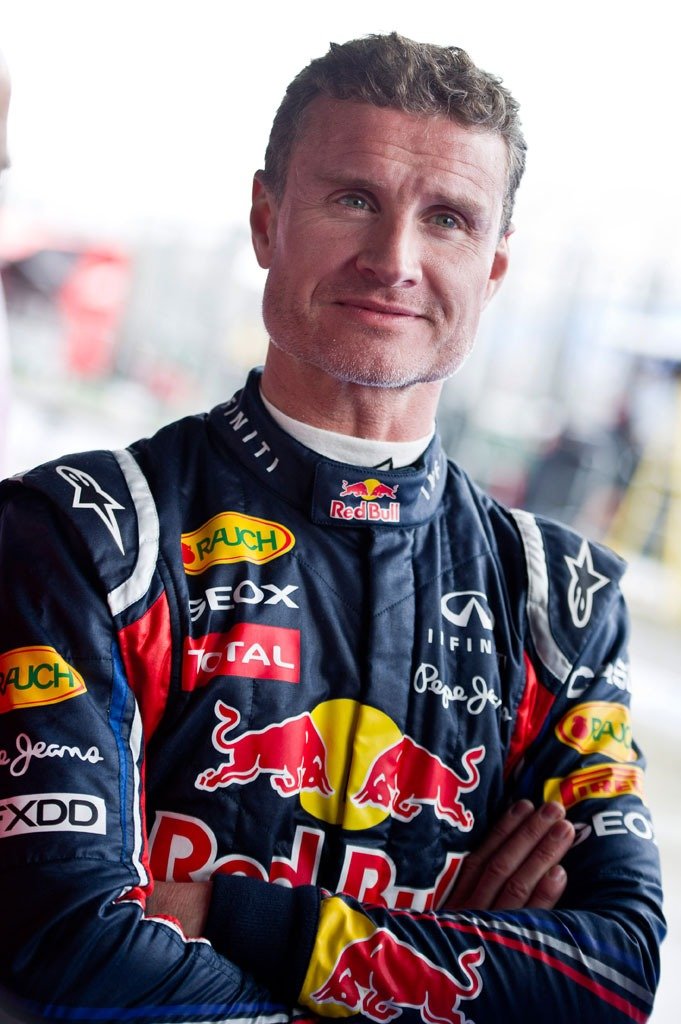
Former Formula 1 driver David Coulthard was direct about who stands to benefit most. Speaking on the Up To Speed podcast, the 13-time grand prix winner framed the break not as an opportunity for the frontrunners, but as something far more valuable for the teams currently fighting for survival at the back of the grid.
“If we look at those that have been struggling in Formula 1 — particularly Aston Martin, Williams with a car that’s a bit overweight, and Cadillac as a newbie coming — this actually will give them a chance to breathe, understand how the operations of their grand prix have worked in the first couple of races. I think it will be a shot in the arm for those teams.”
— David Coulthard, Up To Speed podcast
Coulthard was also candid about who he sees as the losers from the cancellations. He pointed to the all-female F1 Academy support series — which had its own rounds scheduled alongside the now-cancelled events — and to the fans in Bahrain and Saudi Arabia who will not see a race this season, as the real victims of the schedule change.
Three Teams, Three Different Problems
The break matters differently for each of the teams Coulthard identified. Their situations share a common thread — all are struggling in the opening phase of the 2026 regulations — but the nature of their difficulties varies considerably.
- Honda needs time to work on vibration root cause with Aston Martin
- ADUO mechanism may allow additional PU development before Miami
- First full race completion achieved in Japan — a foundation to build on
- Both cars finished in China and Japan — solid reliability foundation
- Miami upgrade package in preparation; extra time aids integration
- First home race in Miami adds extra motivation to arrive well-prepared
- Weight reduction work requires factory time rather than trackside fixes
- Vowles has flagged Japan as a reset moment for the team’s direction
The Context: Why the Races Were Cancelled
The Bahrain and Saudi Arabian Grands Prix were removed from the 2026 calendar following the escalation of conflict in the Middle East. US and Israeli airstrikes on Iran triggered retaliatory attacks across the Gulf region, with Bahrain — where most team personnel would have been based during race week — among the countries targeted. Formula 1, after exploring alternative venues including Imola and Portimão, ultimately decided not to replace either event. The season is now 22 races long. F1 CEO Stefano Domenicali expressed hope of returning to both venues as soon as circumstances allow.
- Japanese GP: March 27–29 (Suzuka)
- Bahrain GP: April 10–12 — cancelled
- Saudi Arabian GP: April 17–19 — cancelled
- Miami GP: May 1–3 — next race on the calendar
- Gap between Japan and Miami: 5 weeks
- Season total: 22 races (reduced from 24)
A Break That Means Different Things to Different Teams
For Mercedes, Ferrari, and McLaren, April is a development sprint — a chance to arrive in Miami with substantial upgrade packages and shift the competitive order. Every team on the grid is expected to bring significant car changes to Florida, with some estimates suggesting more than half the car could be new for multiple outfits. For the frontrunners, the break is a factory push; for the backmarkers, it is something more fundamental: the time to understand what has gone wrong, stabilise operations, and establish a platform from which recovery can begin.
Coulthard’s read of the situation reflects the reality of early-season Formula 1. A relentless race calendar compresses problem-solving into gaps that barely exist. Five weeks without a grand prix weekend — however the opportunity arose — is a rare luxury for any team, and an unusual one for a team in genuine crisis. Whether Aston Martin, Cadillac, and Williams can turn it into a meaningful step forward is the question that will define their 2026 seasons.
Discover more from f1liveupdates.com
Subscribe to get the latest posts sent to your email.