Can Max Verstappen Convince the FIA to End F1’s Controversial “Yo-Yo Racing”?
The Australian Grand Prix exposed a troubling new phenomenon in Formula 1. Max Verstappen is now leading the charge to fix it.
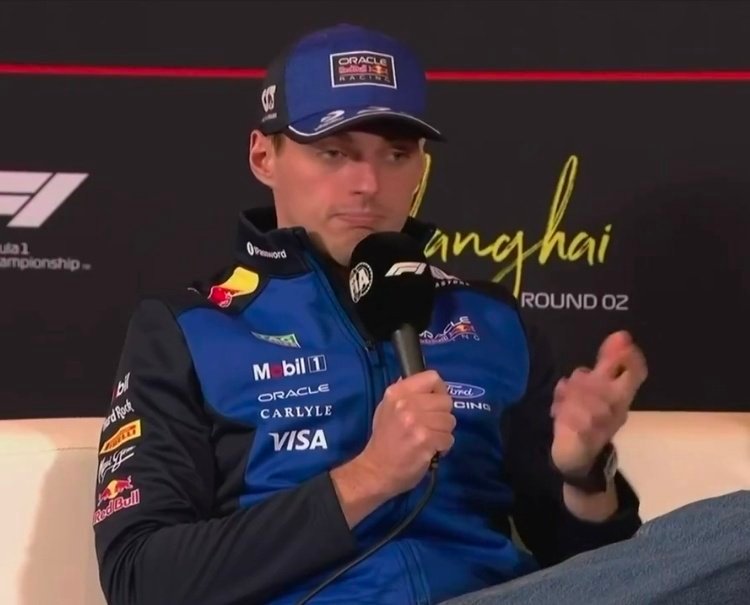
Max Verstappen has confirmed he has engaged in discussions with the FIA, presenting several proposals aimed at improving Formula 1’s current regulations. The Dutch driver’s intervention comes in the wake of widespread criticism following the season-opening Australian Grand Prix, where a bizarre racing pattern emerged that has been dubbed “yo-yo racing” by drivers and commentators alike.
What Exactly Is “Yo-Yo Racing”?
The term might sound amusing, but the reality on track was anything but entertaining for the drivers involved. During the Melbourne round, spectators witnessed an unusual phenomenon where cars would accelerate rapidly, then dramatically slow down, only to accelerate again in repeating cycles. This erratic pattern was directly linked to the new 2026 regulations, which introduced an aggressive energy deployment system that has fundamentally changed how drivers approach racing.
The core issue stems from the mandatory energy management requirements embedded in the technical regulations. Drivers found themselves constantly toggling between maximum power deployment and energy harvesting modes, creating a stop-start rhythm that made genuine wheel-to-wheel racing nearly impossible. The aerodynamic adjustments designed to facilitate overtaking have instead created a situation where passes are often decided by who has more battery charge at any given moment rather than pure driving skill.
Driver Reactions: A Unified Voice of Concern
The backlash from the paddock was swift and unanimous. Oliver Bearman, who finished seventh for Haas in Melbourne, delivered perhaps the most scathing assessment when he compared the experience to racing in a video game rather than the pinnacle of motorsport.
“I felt like I was a bit in a video game. It’s ridiculous how the racing has changed. The boost system turns overtakes into one-button gambles. At times, it felt more like Formula E than Formula 1.” Oliver Bearman, Haas F1 Driver
Bearman’s comments reflect a broader frustration shared across the grid. The young British driver’s comparison to Formula E—the all-electric championship that has long struggled with similar energy management criticisms—was particularly stinging for a sport that prides itself on being the ultimate expression of motorsport engineering and driver talent.
Key Issues Identified by Drivers
- Unpredictable power delivery due to battery management requirements
- Reduced emphasis on driver skill in overtaking manoeuvres
- Confusion for fans trying to follow strategic energy deployment
- Similarities to Formula E’s often-criticised racing style
Verstappen’s Proposal to the FIA
As the most vocal critic of the regulations throughout their development phase, Verstappen has taken his concerns directly to the sport’s governing body. The four-time world champion confirmed he has shared multiple proposals with FIA officials, though the specific details of these suggestions remain confidential.
Verstappen’s central argument is that Formula 1 should remain the pinnacle of motorsport—what he has described as wanting “F1 on steroids” rather than a diluted version of Grand Prix racing. His proposals reportedly focus on rebalancing the relationship between internal combustion power and electrical energy deployment, ensuring that driver skill remains the determining factor in competitive situations.
The Red Bull driver’s frustration is particularly notable given his recent hints about potentially leaving the sport if the regulations do not address his concerns. After the Australian Grand Prix, where he recovered from twentieth on the grid to finish sixth, Verstappen made clear that the racing product needs fundamental changes rather than minor adjustments.
Can the FIA Actually Make Changes?
The technical regulations for 2026 were years in development and involved extensive consultation with manufacturers, teams, and stakeholders. Making significant changes mid-cycle presents considerable challenges, not least because the power unit specifications are locked in until at least 2030. The engines, batteries, and hybrid systems represent billions in research and development investment from manufacturers.
However, there are precedents for regulatory tweaks within established formula. The FIA has shown willingness to make adjustments when the racing product is compromised, though any changes would require consensus among the teams and approval from the World Motor Sport Council. Sporting regulations—governing how energy can be deployed during races—could theoretically be adjusted more easily than the technical specifications themselves.
The Road Ahead
With the Chinese Grand Prix approaching, all eyes will be on whether the racing dynamics improve on a circuit that traditionally produces more overtaking than Melbourne’s tight Albert Park layout. The FIA has acknowledged the feedback from drivers and teams, though no formal response to Verstappen’s proposals has been announced.
The tension between sustainability goals—driving the increased electrification of the power units—and the sporting spectacle that makes Formula 1 commercially viable remains at the heart of this debate. Verstappen’s intervention suggests the sport’s biggest star is prepared to use his influence to push for changes, but whether the FIA can deliver meaningful improvements without alienating manufacturers remains to be seen.
For fans hoping for a return to pure racing, the “yo-yo” phenomenon represents an unwelcome evolution. Whether Verstappen’s voice proves loud enough to reverse the trend could define not just his future in the sport, but the direction Formula 1 takes in this new regulatory era.
Sources
- Motorsport.com – “Max Verstappen in talks with the FIA, but is it possible to end ‘yo-yo racing’ in F1?”
- RacingNews365 – “Max Verstappen calls for FIA action after Australia ‘chaos'”
- Yahoo Sports – “Why Max Verstappen hopes the FIA takes action against 2026 F1 rules”
- MotorSport Week – “Oliver Bearman makes video game comparison with ‘ridiculous’ F1 cars”
- Last Word on Sports – “Oliver Bearman highly critical of 2026 cars: That’s Formula E”
- AutoHebdo F1 – “New F1 regulations: Drivers divided”
Discover more from f1liveupdates.com
Subscribe to get the latest posts sent to your email.