
Five Key Storylines to Watch at Formula 1’s 2026 Chinese Grand Prix
The Shanghai International Circuit hosts round two of the 2026 Formula 1 season with the first Sprint weekend of the year, promising intense competition under the sport’s new regulations on a circuit that will test teams and drivers in unexpected ways.
After an action-packed season opener in Australia, Formula 1 makes the journey from Melbourne to Shanghai for the Chinese Grand Prix. Round two of the 2026 championship presents a completely different set of challenges for teams and drivers, with the Shanghai International Circuit offering a unique test for the sport’s new regulations. As the paddock prepares for the first Sprint weekend of the season, here are five key storylines worth watching.
Five Things to Look Out For
-
The First Sprint Weekend of 2026
Shanghai marks the debut of the Sprint format for the 2026 season, adding an extra layer of intensity to an already demanding weekend. With limited practice time before qualifying for the Sprint race, teams will need to hit the ground running with their setups. The condensed format leaves little room for error, and any mistakes in the early sessions could have significant consequences for the rest of the weekend. This format has historically produced unpredictable results, and with the new regulations still being understood by teams, the Sprint could throw up some surprises.
-
Power Units Tested by Big Braking Zones
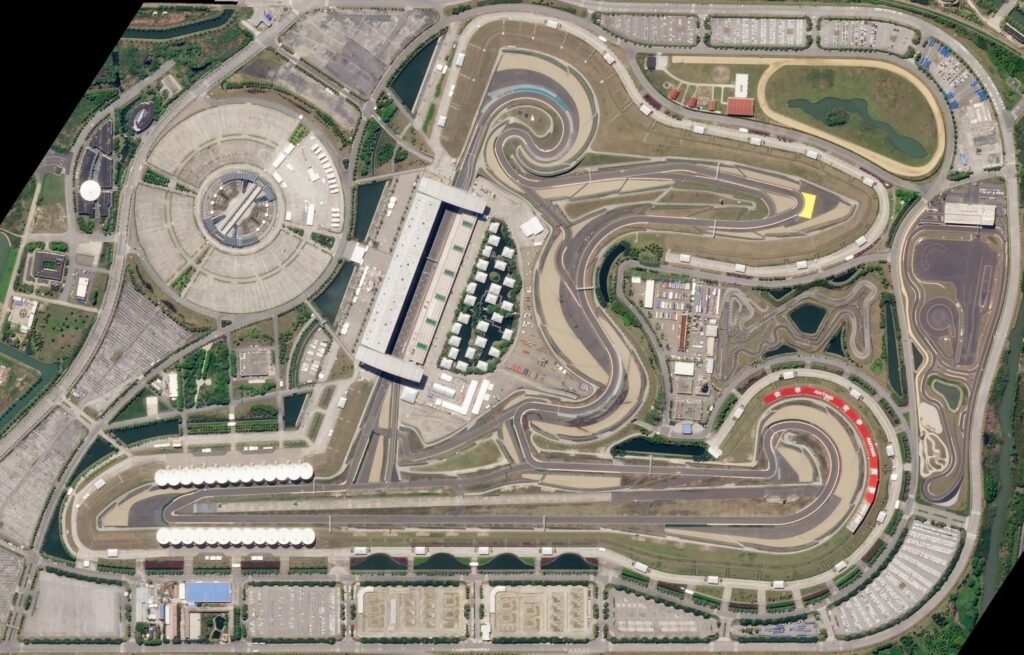
The Shanghai International Circuit features some of the most demanding braking zones on the Formula 1 calendar, and this characteristic takes on added significance under the 2026 regulations. The circuit’s heavy braking areas provide significant opportunities for energy recovery, putting the new power unit specifications to a stern test. Teams will be carefully monitoring how their cars handle the energy deployment and recovery cycles through corners like the hairpin at Turn 14 and the tightening Turns 1 and 2 combination. The balance between harvesting energy and maintaining competitive lap times will be crucial.
-
Four Straight Mode Zones Replace Traditional DRS
The Chinese Grand Prix will feature four designated Straight Mode zones, replacing the traditional DRS system. These zones include the pit straight and back straight, as well as the runs from Turn 4 to Turn 6 and from Turn 10 to Turn 13. This expanded activation creates more overtaking opportunities throughout the lap, potentially leading to more dynamic racing. However, drivers will need to manage their battery deployment strategically across these zones, adding a tactical element to racecraft. The effectiveness of this system in Shanghai’s long straights could shape how future circuits are configured under the new regulations.
-
Can Mercedes Maintain Their Momentum?
George Russell’s dominant victory in the season-opening Australian Grand Prix announced Mercedes as a serious championship contender in 2026. The team’s one-two finish in Melbourne sent a clear message to their rivals, but maintaining that form across different circuit types will be the real test. Shanghai’s technical layout, with its sweeping curves and tight corners, presents different challenges compared to Albert Park. Toto Wolff has suggested his team is prepared for a “real battle” this weekend, acknowledging that the competitive picture could shift as teams adapt their cars to the circuit’s specific demands. How Mercedes handles this next test will reveal whether their Australian success was a glimpse of things to come or merely a favorable track-specific performance.
-
F1 Academy Season Opener
Beyond the main Formula 1 action, the Chinese Grand Prix weekend also marks the beginning of the 2026 F1 Academy season. The Shanghai International Circuit provides a high-profile stage for the championship’s third season, with several teams fielding new drivers. Haas will be supporting Kaylee Countryman’s entry, while other teams have similarly invested in developing young talent. The inclusion of F1 Academy adds depth to the weekend schedule and highlights Formula 1’s broader commitment to developing pathways for aspiring racers. The racing will be worth watching for fans interested in the sport’s future stars.
The Shanghai Challenge
The Shanghai International Circuit has long been known for providing entertaining racing, and the 2026 configuration should continue that tradition. The circuit’s combination of long straights and challenging corner sequences offers overtaking opportunities while also rewarding precise technical driving. For teams still learning about their cars under the new regulations, Shanghai’s varied characteristics will provide valuable data about performance across different types of corners and straight-line scenarios.
“Shanghai will be a different challenge for the new power units, with some big braking zones that will allow for significant recharge. The circuit provides plenty of overtaking opportunities and will pose an interesting test under the new regulations.”
As Formula 1 continues its global tour, the Chinese Grand Prix represents another opportunity to see how the 2026 regulations are settling in. The mix of Sprint format pressure, technical challenges, and championship implications makes this weekend one of the most anticipated on the early-season calendar.
Discover more from f1liveupdates.com
Subscribe to get the latest posts sent to your email.