
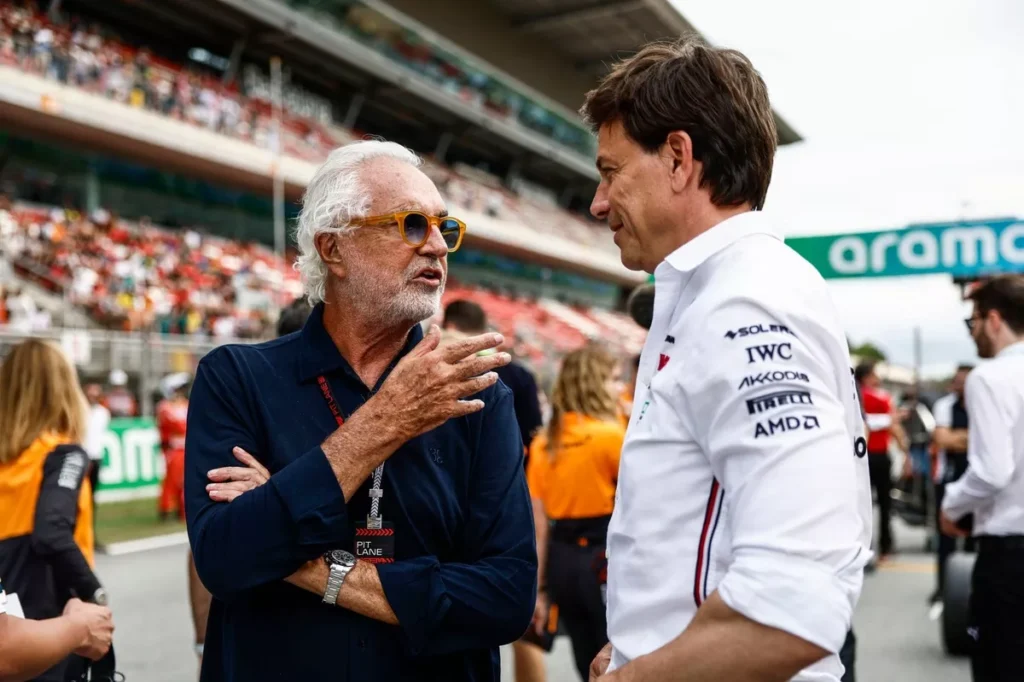
Toto Wolff vs Christian Horner: The Alpine Stake Battle Explained
Two of Formula 1’s most influential figures are now competing for the same ownership stake in Alpine, revealing the hidden value that makes this investment opportunity so compelling.
In a surprising development that has sent ripples through the Formula 1 paddock, Mercedes team principal Toto Wolff has emerged as a bidder for Otro Capital’s 24% stake in the Alpine F1 team. This unexpected move places him in direct competition with former Red Bull principal Christian Horner, who had previously expressed interest in the same ownership share. The emergence of two of F1’s most prominent power brokers as rival bidders raises an intriguing question: what makes this particular investment so remarkably attractive?
The Stake at the Center of the Storm
Otro Capital acquired its 24% stake in the Enstone-based team during the summer of 2023, paying approximately £171 million (equivalent to roughly £180 million when adjusted for current inflation). Now, less than three years later, this same stake has become the subject of intense interest from multiple high-profile suitors within the Formula 1 community. The timing of this potential sale is particularly significant because until September 2026, any transaction remains subject to Renault’s approval. After that date, Otro Capital will gain considerably more autonomy over the sale process, potentially accelerating negotiations.
Alpine has not remained silent amid the swirling speculation. The team issued a statement acknowledging that “it is no secret that Otro Capital has held preliminary talks to sell its stake in the team.” This transparent approach reflects the magnitude of the situation and the genuine interest that exists from multiple parties. Executive Advisor Flavio Briatore now finds himself at the center of what could become a significant bidding war between two of motorsport’s most recognized figures.
Why F1 Team Stakes Have Become Prime Assets
The enthusiasm surrounding this investment opportunity can be attributed to several converging factors that have fundamentally transformed the economics of Formula 1 team ownership. Formula 1’s global popularity has experienced unprecedented growth in recent years, driven substantially by the success of the Netflix documentary series “Drive to Survive” and the sport’s strategic expansion into new markets, particularly the United States. This surge in viewership has translated directly into increased commercial revenue, higher sponsorship values, and more lucrative broadcast deals across the championship.
“The limited number of teams in Formula 1, currently capped at ten, means that ownership stakes represent an exceptionally scarce commodity in a rapidly appreciating market.”
The consequences of this scarcity have been dramatic. Team valuations across the grid have risen substantially, with even midfield and backmarker operations commanding significantly higher prices than they would have just five years ago. For investors with deep pockets and strategic vision, acquiring even a minority stake in an F1 team represents an opportunity to participate in one of motorsport’s most valuable commercial ecosystems.
The Strategic Appeal of Alpine
Beyond the general appreciation in F1 team values, Alpine specifically presents several characteristics that make it an attractive proposition for potential investors. The Enstone facility represents one of Formula 1’s most storied operations, having previously operated under the Benetton and Renault banners during periods of championship-winning success. This established infrastructure provides a solid foundation upon which new investment could potentially accelerate the team’s competitive development.
Furthermore, the involvement of Flavio Briatore as Executive Advisor signals Alpine’s commitment to transforming its fortunes. Briatore’s track record in Formula 1 includes successful periods at both Benetton and Renault, and his presence suggests a willingness to make the substantial changes necessary to improve performance. For an investor seeking a team with genuine potential for growth rather than one already operating at its ceiling, Alpine represents a compelling opportunity.
What Wolff and Horner Bring to the Table
The identities of the interested parties add another layer of intrigue to this developing story. Toto Wolff’s participation is particularly noteworthy given his recent decision to sell a 15% stake in the Mercedes F1 team. This strategic financial maneuver may have positioned him to pursue new investment opportunities, with Alpine potentially representing an attractive target. Wolff’s extensive experience in Formula 1 team management and his understanding of what drives both competitive and commercial success would be invaluable assets.
Christian Horner’s interest, meanwhile, comes in the wake of his departure from Red Bull Racing. After years of leading one of Formula 1’s most successful operations, Horner possesses intimate knowledge of what separates championship-contending teams from the rest of the field. His motivation to return to the sport in an ownership capacity is understandable, and Alpine’s current position in the competitive order offers significant scope for the kind of turnaround that would demonstrate his capabilities beyond the Red Bull environment.
The Broader Implications for Formula 1
This developing situation highlights the evolving nature of Formula 1’s commercial landscape. The fact that two individuals with such extensive team principal experience are now pursuing ownership opportunities reflects a broader trend toward increased investment interest in the sport. As Formula 1 continues to expand its global reach and commercial appeal, the value of participating in team ownership will likely continue to rise.
For Alpine, the interest from such prominent figures represents both validation of the team’s underlying potential and an opportunity to accelerate its development through new investment. Whether that investment ultimately comes from Wolff, Horner, or another party entirely remains to be seen, but the competition itself speaks volumes about how perceptions of Formula 1 team ownership have transformed in recent years.
Discover more from f1liveupdates.com
Subscribe to get the latest posts sent to your email.