Vasseur: “I’ve Got Enough Experience to Put the Right Pressure on Myself”
Ferrari’s team principal opens up about the 2026 challenge, the impact of new regulations, and how he handles the intense scrutiny at Maranello
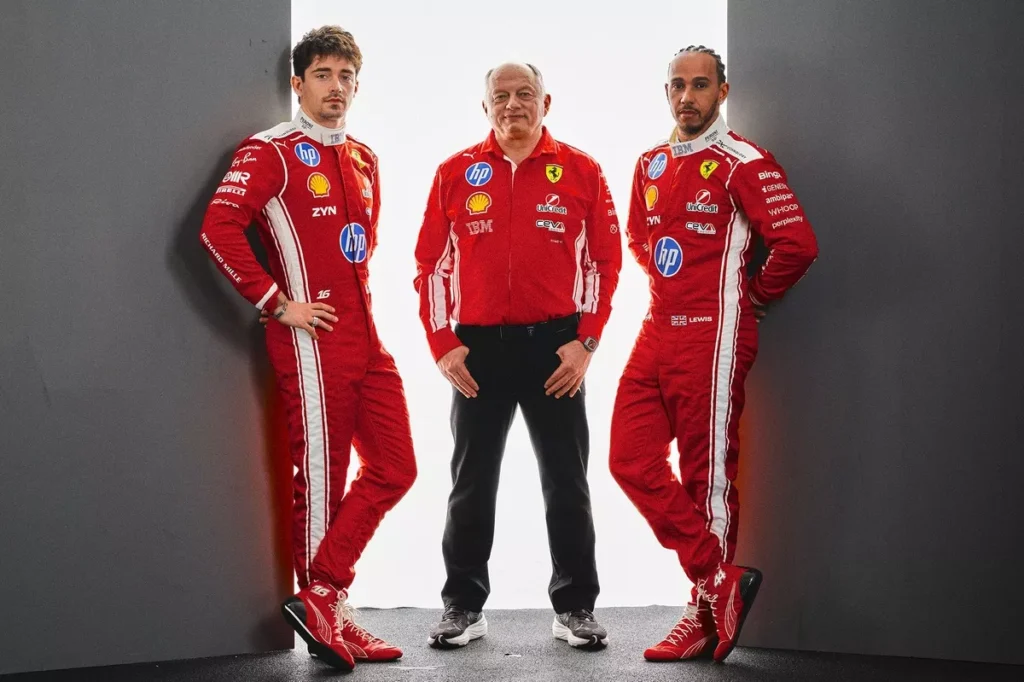
The 2026 Formula 1 season marks a new era for the sport, with sweeping regulation changes affecting both chassis and power units. For Ferrari, this represents a fresh opportunity to challenge for championships after a difficult 2025 campaign. In an exclusive interview, team principal Fred Vasseur addressed the burning questions surrounding the Scuderia’s preparations and his own approach to leading the team through this transformative period.
The Weight of Expectations
Leading Ferrari comes with unique pressures that few other roles in motorsport can match. Vasseur, however, remains unfazed by the constant scrutiny from Italian media and the passionate Tifosi fan base.
The Frenchman acknowledged that everything at Ferrari is amplified—both the highs and the lows. “We have to constantly dampen the positive euphoria, as well as the negative emotions,” he stated. This balance is crucial when managing a team where even minor issues can become major news stories overnight.
Media Impact and Team Welfare
One aspect that Vasseur is particularly passionate about is protecting his team members from the constant media speculation. He revealed that rumors about potential staff changes have real human impacts.
Team Protection
“When rumors start mentioning the people who work behind the scenes, I consider it disrespectful. I know those stories are unfounded, but the person doing that job may worry. Someone even came to my office because his wife had read that he was going to be fired.”
This human element is something Vasseur takes seriously, recognizing that while media noise is part of the job at Ferrari, it can have genuine effects on employees and their families.
The 2026 Regulation Revolution
The 2026 season introduces the biggest overhaul of Formula 1 regulations in the sport’s history. New power units, energy deployment rules, and aerodynamic changes mean teams face unprecedented challenges in developing their cars.
Ferrari made the bold decision to switch its aerodynamic development focus to the 2026 car as early as April 2025—a move that Vasseur now admits may have underestimated the psychological impact on staff.
“We didn’t start in the best way, there was the double disqualification in China. This cost us tons of points compared to the direct competitors. And quite early in the season, McLaren was so dominant in the first four or five events that we realised it would be very difficult for 2025,” Vasseur explained.
The decision meant Ferrari effectively sacrificed the 2025 season to focus on 2026, resulting in their lowest constructors’ championship position since 2020—fourth place with zero race wins.
Looking Ahead to Melbourne
As the 2026 season approaches, Vasseur is focused on the challenges ahead rather than past disappointments. He emphasized that the opening Australian Grand Prix in Melbourne will not define the season.
This approach reflects the unique nature of the 2026 regulations, where rapid in-season development could be more crucial than initial performance. Unlike recent seasons where the competitive order remained relatively stable, Vasseur expects significant changes throughout the year.
“I’m really convinced that 2025, the picture in Bahrain test one was almost the same picture in the last race in Abu Dhabi,” he noted. “And next year, you will have a huge rate of development all over the season.”
Managing Development Resources
With the new cost-cap framework and the challenges of transporting upgrades to flyaway races, Ferrari will need to be strategic about its development programme. Vasseur explained that the introduction of upgrades won’t just be about wind tunnel capacity—it will require careful management of resources and logistics.
The team will need to balance aggressive development with the practical constraints of the 2026 calendar, particularly during the opening flyaway races where transport costs and logistics will play a significant role in decision-making.
A New Chapter with Hamilton
For Lewis Hamilton, the 2026 season represents a fresh start after a challenging first year with Ferrari. Vasseur is confident that the seven-time world champion’s experience will help him adapt quickly to the new regulations.
“No, I think he’s starting from zero. It’s a new story, new car, new regulations, new journey. He has enough experience not to look back,” Vasseur stated.
With all the changes ahead, both driver and team will be looking to make a strong statement in Melbourne and establish themselves as genuine championship contenders as the 2026 season unfolds.
Discover more from f1liveupdates.com
Subscribe to get the latest posts sent to your email.