
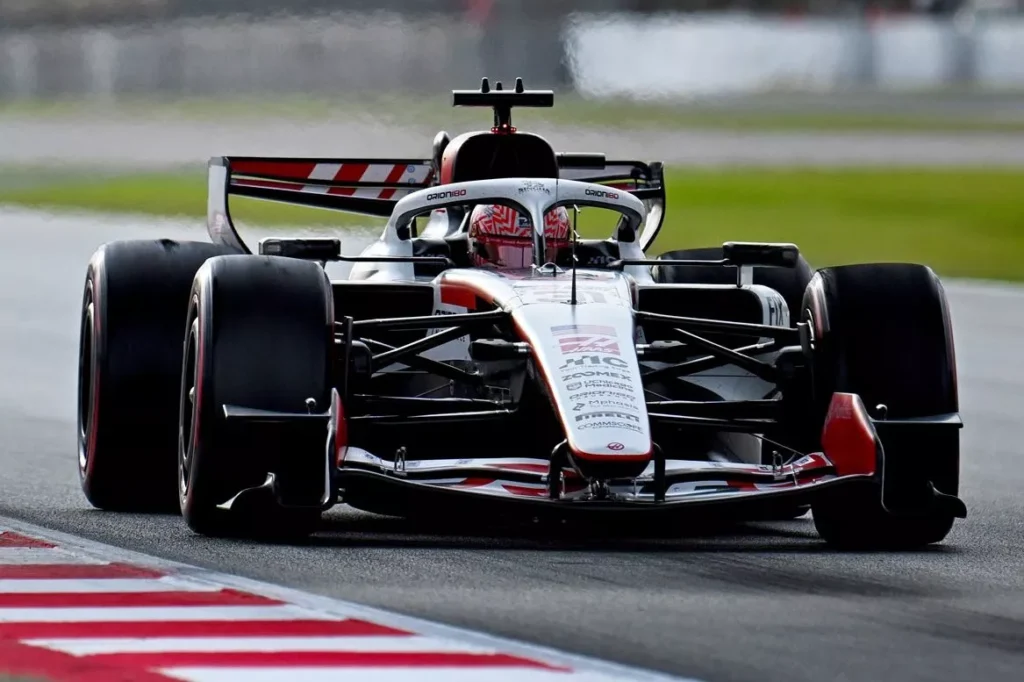
F1 2026: Why Drivers Will Have to “Lift and Coast” Even in Qualifying
Introduction: The 2026 Formula 1 season is set to introduce a radical shift in how drivers manage their cars, and Esteban Ocon has given fans a first glimpse of the future: even in qualifying, drivers won’t be able to stay flat-out all the time. The reason? A stricter focus on electrical energy management, which will force pilots to rethink their approach to speed. Here’s what you need to know.
⚡ Electrical Energy: The Game-Changer for 2026
The 2026 regulations will see F1 cars rely more heavily on hybrid power units, where electrical energy plays a critical role. According to Esteban Ocon, this means drivers will need to modulate their throttle to avoid draining the battery too quickly—even during qualifying laps, where every millisecond counts.
“We won’t be able to stay at 100% throttle all the time. We’ll have to manage energy like in a race, but with even more pressure in qualifying.” — Esteban Ocon
🏁 Qualifying: No Longer a Pure Power Game
Qualifying sessions, traditionally a full-throttle sprint, will now require a strategic balance:
- Less “flat-out” driving: Drivers will need to lift off the throttle at key moments to conserve electrical energy.
- Enhanced teamwork: Engineers and drivers will collaborate to optimize energy deployment over a single lap.
- New challenges: A miscalculation in energy management could cost a grid position, even in the fastest cars.
🔄 A Shift Toward Strategy Over Raw Speed
This change reflects a broader trend in F1: efficiency is overtaking brute power. Drivers will need to be not just fast, but smart in how they use their resources.
Real-world example:
- In 2026, a driver might lift slightly on straights to save energy, then deploy it in high-downforce sections where lap time gains are maximized.
💡 What This Means for Fans
- More tactical qualifying: Less “all-or-nothing,” more real-time calculations.
- A different kind of spectacle: Gaps could be decided by energy strategy, not just engine power.
- A new test for engineers: Finding the perfect balance between performance and energy conservation.
📌 Sources
- Esteban Ocon’s comments on electrical energy management in F1 2026 (2026).
Discover more from f1liveupdates.com
Subscribe to get the latest posts sent to your email.