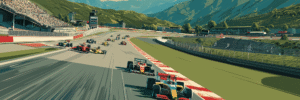

Mercedes Regrets Poorly Timed Strategy Call at Mexico Grand Prix
Mercedes is facing renewed frustration following the Mexico Grand Prix. The German team voiced clear dissatisfaction with the precise moment it chose to issue a strategic instruction during the race. According to the team, this poorly timed decision directly impacted its drivers’ performance—and, by extension, the championship points scored.
The Critical Role of Timing in F1 Strategy
In Formula 1, race strategy plays a pivotal role in determining final results. Every decision—from tire choices and energy management to pit stop calls—must be meticulously orchestrated. Timing, or the exact moment each action is executed, often makes the difference between a comfortable victory and a disappointing retirement.
Mercedes, renowned for its analytical and strategic approach, understands better than most the importance of such details. However, during the Mexican weekend, several external factors reportedly complicated the execution of their original race plan. Unstable track conditions, unexpected tactical windows, and unpredictable rival maneuvers forced the team to adapt its strategy in real time.
Factors Influencing the Decision
The Mexico Grand Prix takes place at the Autódromo Hermanos Rodríguez, a high-altitude circuit known for its ever-changing conditions. The German squad likely faced specific challenges related to tire thermal management and aerodynamic performance in this unique environment.
A poorly timed strategy call can manifest in several ways: a pit stop that comes too early or too late, a decision made just before a safety car deployment, or simply a misreading of the competitive landscape at a critical race moment. Mercedes implicitly acknowledged that its assessment of the situation was suboptimal.
Impact on Performance
The mistimed strategic instruction directly hindered the team’s ability to fully exploit the potential of its cars. In Formula 1, a few seconds’ difference in pit stop timing can translate into multiple positions lost on track. This situation perfectly illustrates how even a well-intentioned strategic decision can become a competitive liability.
As a result, Mercedes missed valuable opportunities to gain or consolidate positions against its rivals. This setback adds to the challenges the team has faced throughout the season as it strives to regain the competitiveness that once defined its dominance.
Lessons for the Future
Incidents like this serve as important learning moments for Mercedes. The team will undoubtedly draw insights from Mexico to refine its decision-making processes in upcoming races. Data scientists and race strategists will meticulously analyze every variable that influenced their judgment during the event.
Formula 1 is a sport where perfection remains elusive—but every experience contributes to overall performance improvement. By publicly acknowledging its strategic misstep, Mercedes demonstrates a clear commitment to progress and course correction in future races.
Outlook for Upcoming Races
With several races remaining on the calendar, Mercedes must regroup and implement necessary adjustments. Strategic timing will remain a decisive factor, and the team must ensure its decision-making protocols account for all relevant variables to avoid repeating this scenario.
In Formula 1, there is no room for approximation. Every tenth of a second counts, and every strategic call carries immense weight. Armed with experience and expertise, Mercedes is expected to quickly move past this setback and refocus on its future objectives.
Sources:
Based on official statements from the Mercedes-AMG Petronas Formula One Team regarding the Mexico Grand Prix.
Discover more from f1liveupdates.com
Subscribe to get the latest posts sent to your email.