
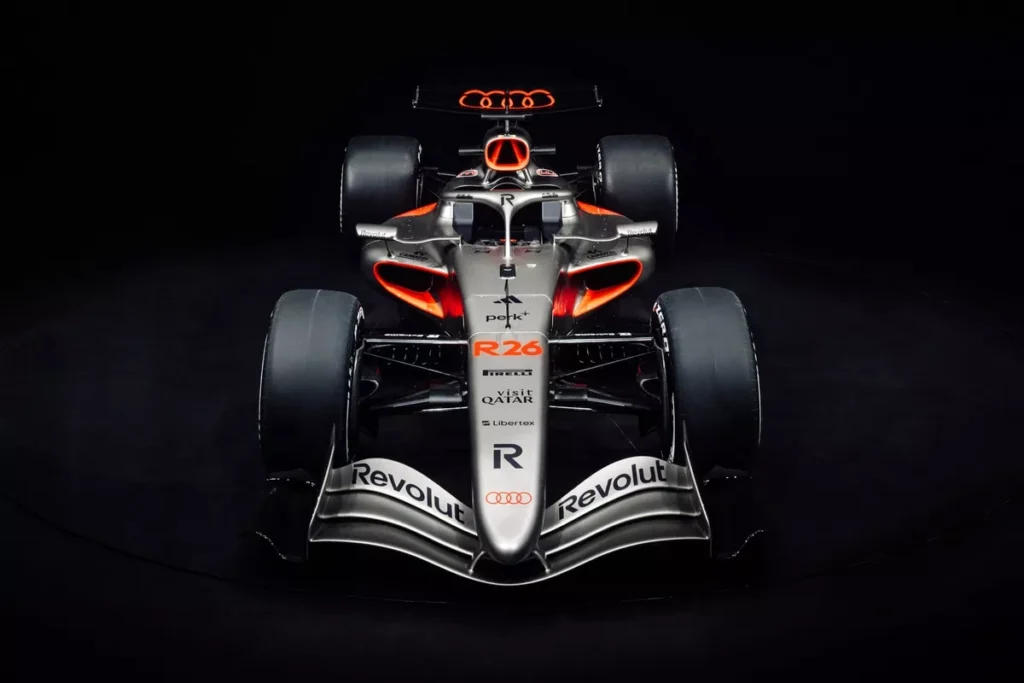
Audi Details Five-Year Plan to Challenge for F1 Championship by 2030
As Audi unveils its striking new Formula 1 livery and enters the pinnacle of motorsport, the German manufacturer has outlined an ambitious yet measured strategy to become championship contenders by 2030. The five-year roadmap emphasizes patience, cultural transformation, and infrastructure development as the keys to success.
A Deliberate Ascent Built on Realism
Following the livery reveal in Berlin, Audi’s leadership made clear their long-term vision for the Formula 1 project. The manufacturer’s press materials describe their approach as a structured plan for a deliberate ascent, beginning as challengers fighting for points before evolving into competitors capable of consistent podium finishes, and ultimately becoming a unified championship-winning force.
Audi CEO Gernot Döllner framed the 2030 target as both ambitious and realistic, emphasizing that the team aims to fight for championships rather than guaranteeing victory. The distinction reflects a pragmatic understanding of Formula 1’s competitive landscape, where established teams possess years of accumulated knowledge and infrastructure advantages.
The Foundation Challenge: Building from Sauber’s Legacy
Team Principal Jonathan Wheatley, who joined from Red Bull Racing, has been candid about the scale of the transformation required. The former Sauber operation, which Audi has fully acquired, spent years operating as an underfunded independent team. While this created a culture of creativity and resourcefulness, it also left significant gaps in infrastructure, tools, and organizational structure.
Wheatley explained that the five-year timeline reflects the time needed to build not just competitive machinery, but a championship-caliber organizational culture. The team must simultaneously develop its technical capabilities while establishing the processes, methodologies, and mindset that define successful Formula 1 operations.
The challenge is compounded by Audi’s decision to manufacture its own power units at the Neuburg facility in Germany, making this the first Formula 1 powertrain developed and built in Germany in over a decade. This dual challenge of chassis development in Hinwil, Switzerland, and power unit creation in Neuburg represents a significant undertaking that few manufacturers have successfully navigated.
Strategic Advantages and Key Milestones
Despite the daunting challenges, Audi enters Formula 1 with several strategic advantages. The 2026 technical regulations provide a clean slate, allowing the team to design its architecture without the disadvantage of joining mid-regulation cycle. This opportunity to start fresh applies equally to chassis design and power unit development.
Mattia Binotto, head of the Audi F1 Project and former Ferrari team principal, oversees the integration between the Swiss chassis operation and the German power unit program. His experience with hybrid power unit development at Ferrari provides valuable perspective on the technical challenges ahead. Binotto has emphasized that while Audi possesses all the resources necessary for eventual success, expecting immediate competitiveness would be unrealistic.
The team has identified specific milestones along its path to 2030, including infrastructure improvements such as a new simulator expected to be operational within 18 months. These investments, combined with ongoing hiring of top engineering talent, form the foundation of Audi’s long-term strategy.
Managing Expectations While Maintaining Ambition
Both Binotto and Wheatley have been explicit that 2026 will be a challenging debut season. The team expects reliability issues and performance deficits as natural consequences of entering Formula 1 as a new power unit manufacturer. What matters most, they argue, is how the organization responds to these inevitable setbacks.
This measured approach contrasts with some previous manufacturer entries that set aggressive short-term targets. Alpine’s 100-race plan, announced in late 2021, serves as a cautionary tale after the team finished last in the 2024 constructors’ championship. Audi’s leadership appears determined to avoid similar pitfalls by maintaining realistic expectations while steadily building capability.
The three-location structure spanning Hinwil, Neuburg, and a new facility in Bicester, United Kingdom, provides access to Formula 1’s engineering talent pool while integrating chassis and power unit development. This organizational model aims to eliminate the compromises that customer teams face while enabling the agility and innovation essential for championship success.
The Human Element: Culture and Leadership
Beyond technical infrastructure, Audi’s leadership emphasizes the importance of people and culture in achieving Formula 1 success. Wheatley has spoken passionately about his hands-on leadership style and focus on identifying talent, guiding careers, and creating an environment where individuals can excel.
The partnership between Binotto’s technical oversight and Wheatley’s operational leadership represents a deliberate strategy to blend different experiences and perspectives. Both bring championship-winning backgrounds from Ferrari and Red Bull respectively, offering complementary approaches to building a competitive organization.
Audi’s investment has already begun transforming team morale and capability. During the 2025 season, the squad demonstrated improved performance following mid-season upgrades, and the rapid rebuild of Gabriel Bortoleto’s car after a sprint race crash showcased the team’s evolving capabilities and spirit.
Looking Ahead: The Road to 2030
As pre-season testing approaches with sessions scheduled in Barcelona and Bahrain, Audi faces its first real tests as a Formula 1 competitor. The team’s driver lineup pairs experience through Nico Hülkenberg with youth in rookie Gabriel Bortoleto, reflecting the long-term perspective underpinning the entire project.
While the 2030 championship target provides a clear objective, Audi’s leadership acknowledges that success could come sooner with the right development trajectory. Driver Bortoleto expressed optimism about achieving championship contention before 2030, though such hopes remain tempered by the realistic assessment of the journey ahead.
The manufacturer’s motorsport heritage, including 13 Le Mans victories in 15 years, demonstrates its capability to dominate top-level racing. However, Formula 1 presents unique challenges that have humbled many successful manufacturers. Audi’s patient, methodical approach suggests an understanding of these complexities and a commitment to building sustainable success rather than chasing quick results.
Sources
- Motorsport.com – What Audi’s ‘world champion in 2030’ goal actually means
- ESPN – Audi Formula 1 team reveals 2026 livery, targets title by 2030
- Autosport – Why humble start won’t define Audi’s ambitious 2030 F1 targets
- Sky Sports F1 – Audi F1 chief Mattia Binotto warns of ‘very bumpy’ debut season despite 2030 title target
- Motorsport.com (French) – Audi détaille son “plan sur 5 ans” pour atteindre le sommet de la F1
- Audi MediaCenter – For Audi, entering Formula 1 is part of something bigger
Discover more from f1liveupdates.com
Subscribe to get the latest posts sent to your email.