Russell Predicts Overtaking in « Obscure Locations » with 2026 F1 Regulations
Formula 1 is on the cusp of one of its most significant technical revolutions, with a comprehensive overhaul of regulations set for the 2026 season. Mercedes driver George Russell has offered an exciting glimpse into this future, predicting that the new generation of cars will lead to more overtaking, but in « obscure locations, in locations where we’ve never seen overtakes before. » His comments highlight the dramatic changes afoot, centered around new power units, the introduction of active aerodynamics, and the replacement of the Drag Reduction System (DRS). (1)
A Technical Revolution in 2026
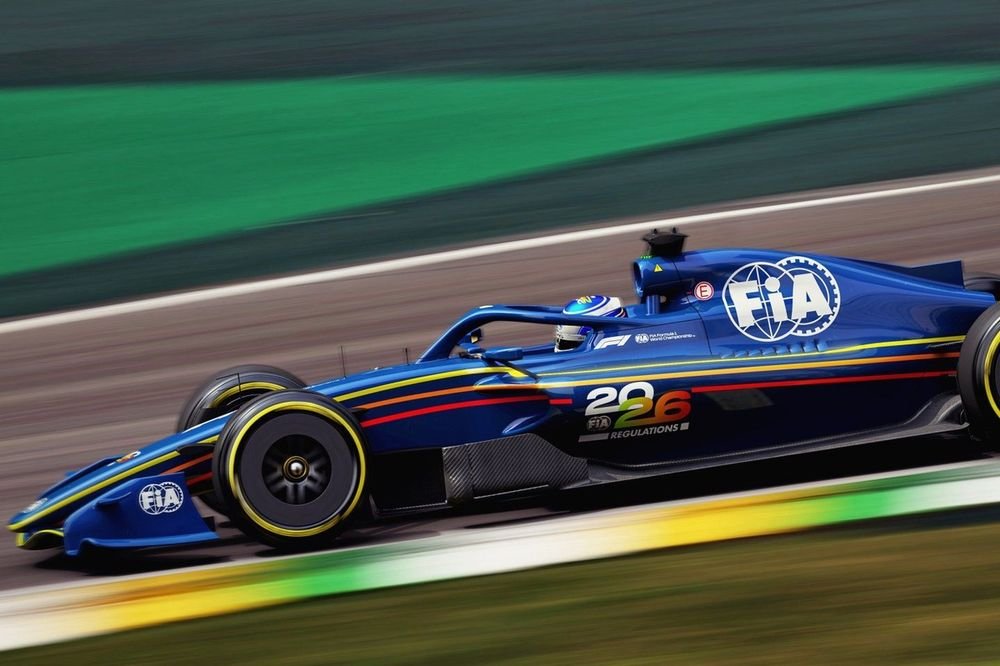
The 2026 regulations represent a fundamental rethink of the modern F1 car. The changes are designed to make the sport more competitive, sustainable, and exciting. Key among these changes are:
•New Power Units: The engines will feature a near 50:50 split between internal combustion and electric power, with a much larger MGU-K (Motor Generator Unit – Kinetic). (2)
•Active Aerodynamics: Both front and rear wings will have moveable elements, allowing cars to switch between a high-downforce cornering mode and a low-drag « straightline mode. » (2)
•DRS Scrapped for Manual Override Mode: The familiar DRS will be replaced by a Manual Override Mode, likened to IndyCar’s « push-to-pass » system. This will give drivers a temporary boost of electrical power to aid in overtaking. (1)
•Nimbler Cars: The cars are expected to be lighter and smaller, with narrower Pirelli tires, aiming to improve their raceability. (1,3)
Overtaking in « Obscure Locations »
Russell’s prediction of unconventional overtaking stems directly from the new power unit and aerodynamic philosophy. He believes the key will be the strategic deployment of electrical energy. A driver with a battery advantage over a rival could gain a sudden speed boost in unexpected parts of the circuit, not just on long straights.
« If a driver’s at the bottom of their battery, and the one behind has more battery in a given section of the track, they can suddenly jump past them at a corner in the past where there would never be an overtake, » Russell explained. (1)
While he remains uncertain about the exact effect of the Manual Override Mode itself, he is confident that the overall package will produce better racing, moving away from the simple « pure DRS overtakes » that have often been criticized. (1)
The Role of Active Aerodynamics and « Straightline Mode »
The move to active aerodynamics is a cornerstone of the 2026 rules. The ability to significantly reduce drag on the straights using a « straightline mode » (also referred to as X-mode) is crucial for the efficiency of the new power units. Computational Fluid Dynamics (CFD) simulations suggest this mode could decrease overall drag by as much as 18% and downforce by 25%. (2)
This is achieved by adjusting both the front and rear wings to present a much slicker profile to the air. However, this new system comes with a potential catch. By reducing the rear wing’s load, the aerodynamic wake behind the car is also altered. The turbulent air, or « dirty air, » is kept lower and spread wider. This could, paradoxically, make it harder for a car to follow closely, potentially hampering the very overtaking the rules are designed to promote. (2) The success of the 2026 regulations will hinge on finding the right balance between reducing drag for the lead car and managing the wake for the following car.
A New Era of Racecraft?
The combination of these new regulations promises to reshape the art of overtaking in Formula 1. The emphasis may shift from straightforward straight-line speed advantages to more tactical, multi-lap battles. Drivers will need to be smarter than ever about managing their energy deployment, choosing the perfect moment to use their Manual Override boost. (3)
The re-emphasis on underfloor aerodynamics, a revival of ground-effect principles, is also intended to allow cars to follow each other more closely through corners without suffering a catastrophic loss of grip. This could lead to more corner-to-corner fights and out-braking maneuvers, rewarding driver skill and racecraft over pure car performance. (3)
While challenges remain, particularly regarding how the new aerodynamics will perform in the real world and the constraints of certain circuits, the 2026 regulations hold the promise of a thrilling new chapter for Formula 1. As George Russell’s predictions suggest, fans may need to keep their eyes peeled on every corner of the track, as the next great overtake could happen where they least expect it.
References
[1] Motorsport.com: “Overtakes in obscure locations” predicted for F1 2026 with post-DRS cars
[2] RaceTeq: F1 2026’s straightline mode will slash drag – with one major catch
[3] Destination Formula 1: How the new F1 2026 regulations will transform overtaking