
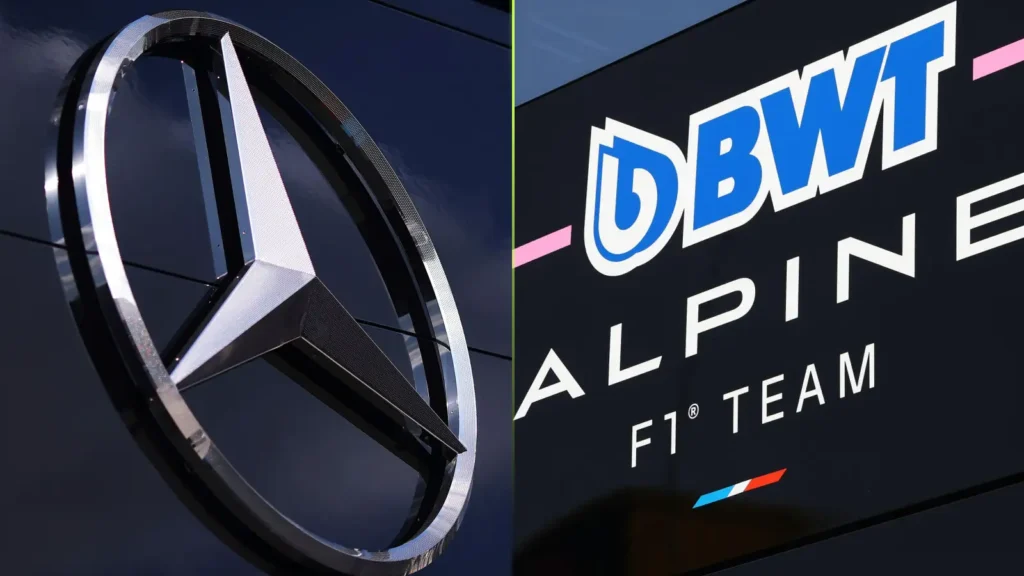
Alpine Warns: Mercedes Engine Deal is No Guarantee of F1 Glory in 2026
The decision has been made, the protests at Viry-Châtillon have quieted, and the path forward is set: from 2026, Alpine will no longer be a “works” manufacturer in Formula 1. Instead, the French team will rely on Mercedes-Benz power units. While this move solves immediate financial and performance headaches, the team’s management is keen to temper expectations. According to Alpine’s leadership, bolting a Mercedes engine into the back of their car is a pragmatic solution, not a guaranteed championship winning lottery ticket.
The End of the “Works” Era
For decades, the philosophy at Renault (and subsequently Alpine) was that to win a World Championship, you must control your own destiny. This meant building both the chassis (in Enstone, UK) and the engine (in Viry-Châtillon, France). The logic was simple: total integration allows for perfect harmony between the car’s aerodynamics and its power unit.
However, consistent underperformance and the high costs of developing the 2026 next-generation hybrid engines forced a change. By becoming a customer team, Alpine saves hundreds of millions of dollars and gains access to what has historically been the grid’s benchmark engine. Yet, Managing Director Oliver Oakes has publicly stated that this transition does not automatically equate to performance. The team is trading “control” for “reliability,” but in the turbulent world of F1, reliability alone does not win titles.
The 2026 Regulation Roulette
The primary reason for Alpine’s caution lies in the massive regulatory overhaul scheduled for 2026. Formula 1 is introducing completely new power unit regulations, featuring a 50/50 split between internal combustion and electrical power, along with the use of 100% sustainable fuels.
While Mercedes mastered the start of the turbo-hybrid era in 2014, there is no evidence to suggest they will repeat that dominance in 2026.
- The Competition is Fierce: Ferrari, Honda (partnering with Aston Martin), Audi, and Red Bull Ford are all developing bespoke units. It is entirely possible that Mercedes could produce the second or third-best engine on the grid.
- No “Silver Bullet”: As a customer, Alpine will receive the same hardware as the Mercedes works team, but they will not have the same influence over the engine’s packaging. If the Mercedes engine requires a specific cooling architecture that compromises Alpine’s aerodynamic concept, Alpine will have to adapt, whereas a works team could redesign the engine to fit the car.
McLaren as the Blueprint (and the Warning)
Alpine is undoubtedly looking at McLaren’s current success as a blueprint. McLaren, also a Mercedes customer, is currently outperforming the factory Mercedes team, proving that you can win without building your own engine.
However, this comparison ignores the timeline. McLaren has spent years refining their chassis and aerodynamics to work around the customer engine limitations. Alpine is attempting to integrate a foreign power unit while simultaneously overhauling their internal culture and technical structure. The team is effectively betting that their chassis designers in Enstone can outperform the aerodynamicists at Brackley (Mercedes) and Woking (McLaren) using the exact same propulsion.
No Place Left to Hide
Perhaps the most significant aspect of this switch is the removal of excuses. For years, the Enstone chassis team could blame the Viry engine for a lack of top-speed, while the Viry engine team could blame the chassis for high drag.
By utilizing the Mercedes Power Unit—a known quantity—the spotlight turns entirely to the chassis design. If the 2026 Alpine is slow, there will be no ambiguity about the cause. The move to a customer engine is a high-stakes gamble that exposes the Enstone technical team to raw, direct comparison with the best on the grid. As leadership suggests, the engine might be better, but the car must be exceptional to compete.
Conclusion
Alpine’s transition to a Mercedes customer team is a rational business decision that stabilizes the organization. It eliminates the risk of producing a disastrous in-house engine for the new regulations. However, as the team’s management rightly points out, purchasing a component is not the same as purchasing success. In 2026, Alpine will have a competitive heart, but the rest of the body must be built to match it.
Sources
- Autosport – “Oakes: Mercedes engine deal ‘not a guarantee’ of success for Alpine”
- Motorsport.com – “Alpine confirms switch to Mercedes power for 2026 era”
- Formula1.com – “The implications of Alpine’s move to customer status”
Discover more from f1liveupdates.com
Subscribe to get the latest posts sent to your email.