
F1 2026’s New Lexicon: ‘Overtake,’ ‘Boost,’ and ‘Active Aero’ Replace Complex Jargon
Gone are the days of cryptic acronyms and engineering jargon. In their place, fan-friendly phrases will define how we talk about F1’s next generation of cars. The change follows extensive consultation with fan focus groups, teams, and broadcasters to ensure clarity without sacrificing technical accuracy.
Why the Change?
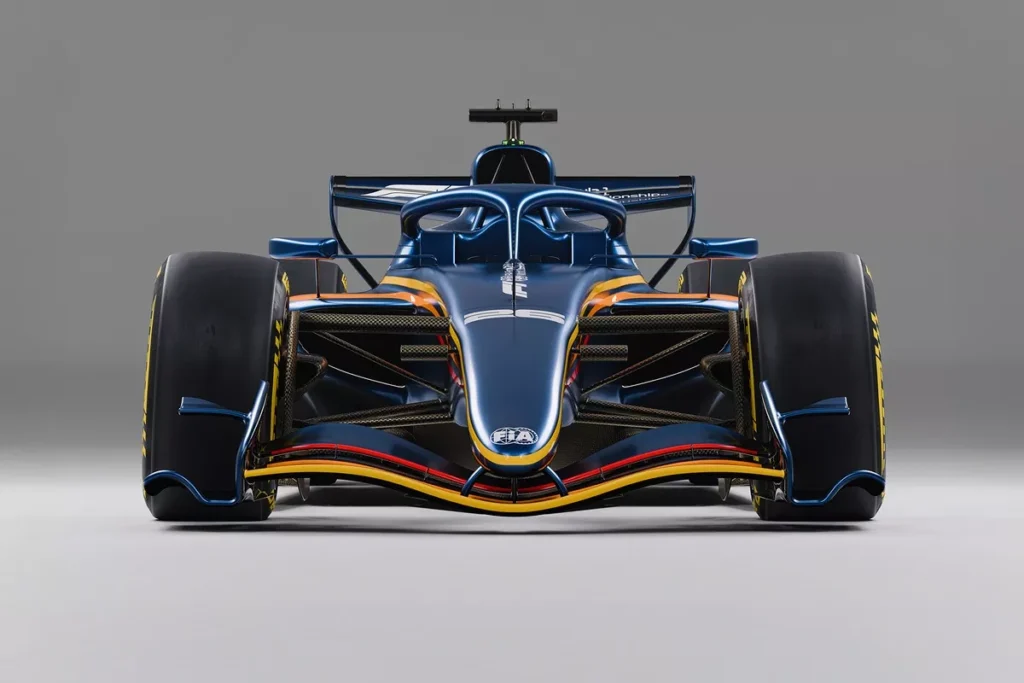
The 2026 regulations introduce radical changes—active aerodynamics, a 50/50 split between internal combustion and electric power, and the removal of the complex MGU-H. With such a dramatic shift, the FIA recognized the need to avoid alienating fans.
« Simple, objective, and meaningful language is preferred by fans old and new. »
— Nikolas Tombazis, FIA Single-Seater Director
The Key Terms Explained
Fan-First Approach
The FIA and F1 tested these terms with focus groups of new, casual, and core fans. « We are revising some of the terminology because we want to make it clear and simple for the fans to understand what’s happening, » Tombazis emphasized.
For broadcasters, this means cleaner graphics and simplified explanations. For fans, it means a more intuitive way to follow the strategic battles that will define the new era of the sport.
Conclusion
As F1 prepares for its biggest technical revolution in 2026, the sport is also undergoing a linguistic makeover. These new terms are part of a concerted effort to make F1 more inclusive and easy to follow, ensuring the thrill of the new era is understood by everyone watching.
Sources
- Autosport: F1 unveils new terminology for 2026
- Formula 1 Official: Explaining the 2026 power unit changes
- Crash.net: How Active Aero will work in 2026
- BBC Sport: FIA’s push for accessibility