
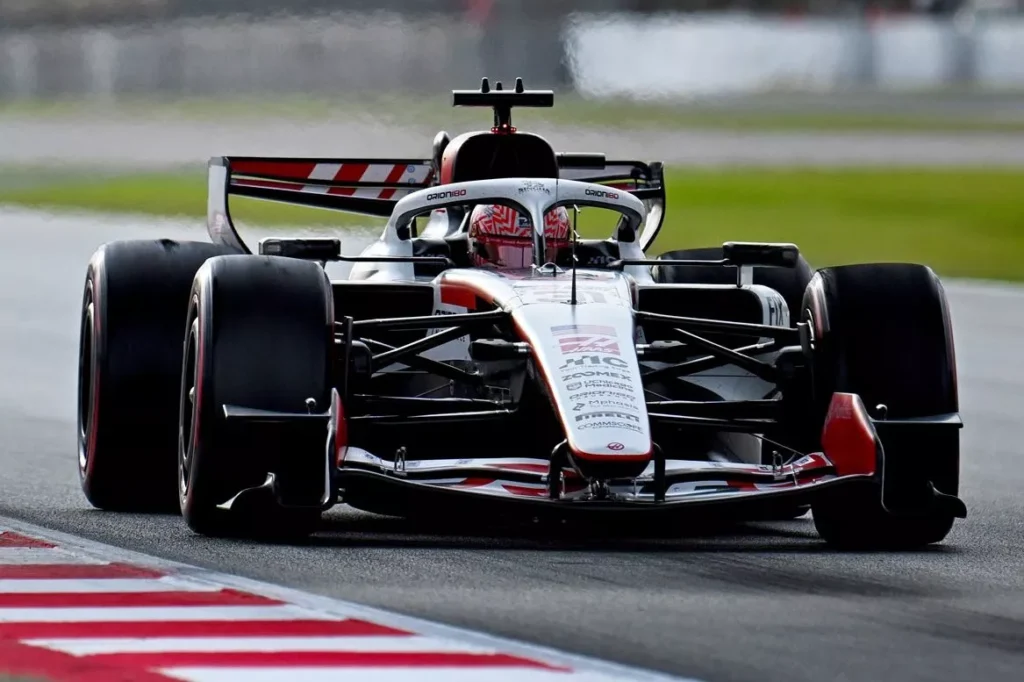
F1 2026: Why Drivers Will Have to « Lift and Coast » Even in Qualifying
Introduction: The 2026 Formula 1 season is set to introduce a radical shift in how drivers manage their cars, and Esteban Ocon has given fans a first glimpse of the future: even in qualifying, drivers won’t be able to stay flat-out all the time. The reason? A stricter focus on electrical energy management, which will force pilots to rethink their approach to speed. Here’s what you need to know.
⚡ Electrical Energy: The Game-Changer for 2026
The 2026 regulations will see F1 cars rely more heavily on hybrid power units, where electrical energy plays a critical role. According to Esteban Ocon, this means drivers will need to modulate their throttle to avoid draining the battery too quickly—even during qualifying laps, where every millisecond counts.
« We won’t be able to stay at 100% throttle all the time. We’ll have to manage energy like in a race, but with even more pressure in qualifying. » — Esteban Ocon
🏁 Qualifying: No Longer a Pure Power Game
Qualifying sessions, traditionally a full-throttle sprint, will now require a strategic balance:
- Less « flat-out » driving: Drivers will need to lift off the throttle at key moments to conserve electrical energy.
- Enhanced teamwork: Engineers and drivers will collaborate to optimize energy deployment over a single lap.
- New challenges: A miscalculation in energy management could cost a grid position, even in the fastest cars.
🔄 A Shift Toward Strategy Over Raw Speed
This change reflects a broader trend in F1: efficiency is overtaking brute power. Drivers will need to be not just fast, but smart in how they use their resources.
Real-world example:
- In 2026, a driver might lift slightly on straights to save energy, then deploy it in high-downforce sections where lap time gains are maximized.
💡 What This Means for Fans
- More tactical qualifying: Less « all-or-nothing, » more real-time calculations.
- A different kind of spectacle: Gaps could be decided by energy strategy, not just engine power.
- A new test for engineers: Finding the perfect balance between performance and energy conservation.
📌 Sources
- Esteban Ocon’s comments on electrical energy management in F1 2026 (2026).